03 / HIGH-CAPACITY STORAGE CLUSTERS
Storage Servers
— Germany
Germany (Frankfurt) · 10 Gbps
LET'S TALK
Storage servers in four locations: choose with help
We offer dedicated storage in Spain, Germany, the Netherlands and the United States with 10 Gbps ports. If you are not sure which capacity or location to choose, tell us your case on Telegram and we will give you a concrete recommendation.
Message us on Telegram
Compare location and capacity with one requirements brief
The Storage catalogue contains forty eight offers: twelve each in Germany, Spain, the United States and the Netherlands. Every country has capacities of 100–650 TB and 10 Gbps ports. To prepare a useful comparison, first define the data each consumer needs, the volume that must stay available and where it will be used. Location and size can then be considered against one consistent description of the project.
An iperf3 traffic test requires a client and a server. When location is part of the decision, use destinations relevant to the intended consumers and retain the conditions of each test. Complement the network reference with a real delivery of your material. The comparison matrix should show required capacity, the tested route and the task's result, allowing the selection to follow the specific work each machine is expected to perform.
Distinguish collection capacity from working space
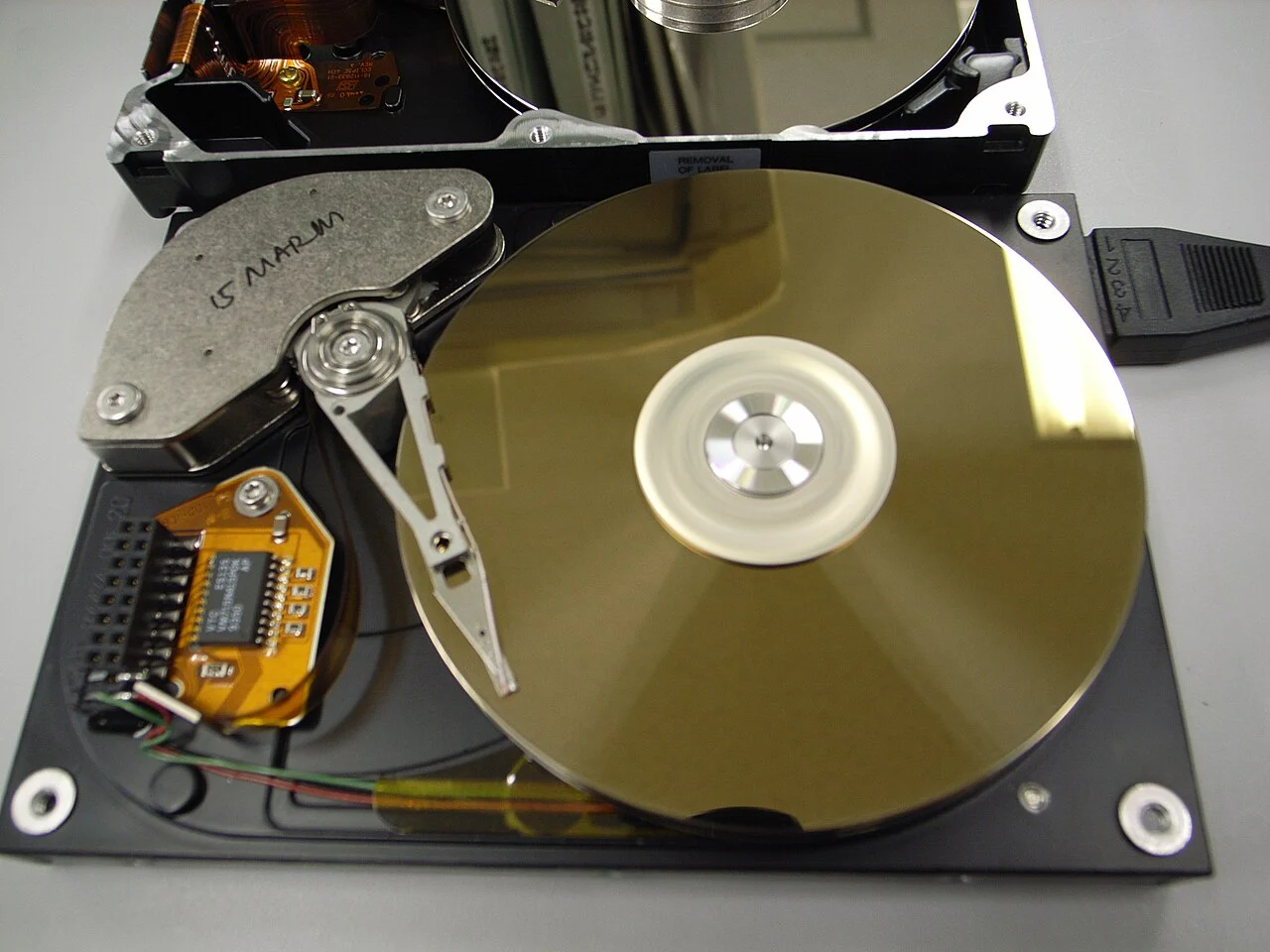
The forty eight Storage offers use data HDD space and a 500 GB system SSD, with two Xeon E5-2680 v3 processors and 128 GB of RAM. This common base helps compare size and location without confusing them with hardware changes. For a new project, estimate both the material collection and the additional space needed while preparing deliveries, transforming input or bringing together results from several open tasks.
GNU df reports available space on mounted filesystems. Compare that reading with the project budget and allocate room for stages that can overlap. A large collection with little intermediate work presents a different selection problem from small inputs producing extensive temporary results. Compare offers around that allocation, identifying the requirement belonging to retained content and the requirement created by the way the application uses and transforms it.