01 / BARE-METAL INFRASTRUCTURE
Dedicated Servers
— 5 Gbps
Engineered for intensive enterprise workloads, high-throughput content distribution, and virtualization without resource contention.
No configurations found for the selected criteria.
View all configurationsLET'S TALK
Dedicated servers across Europe and the US, straight answers
Madrid, Frankfurt, Amsterdam and Miami, with ports from 1 to 40 Gbps. If you are torn between locations or CPU models, reach us on Telegram: we compare options with you based on your traffic, your monthly budget and where your users are.
Message us on Telegram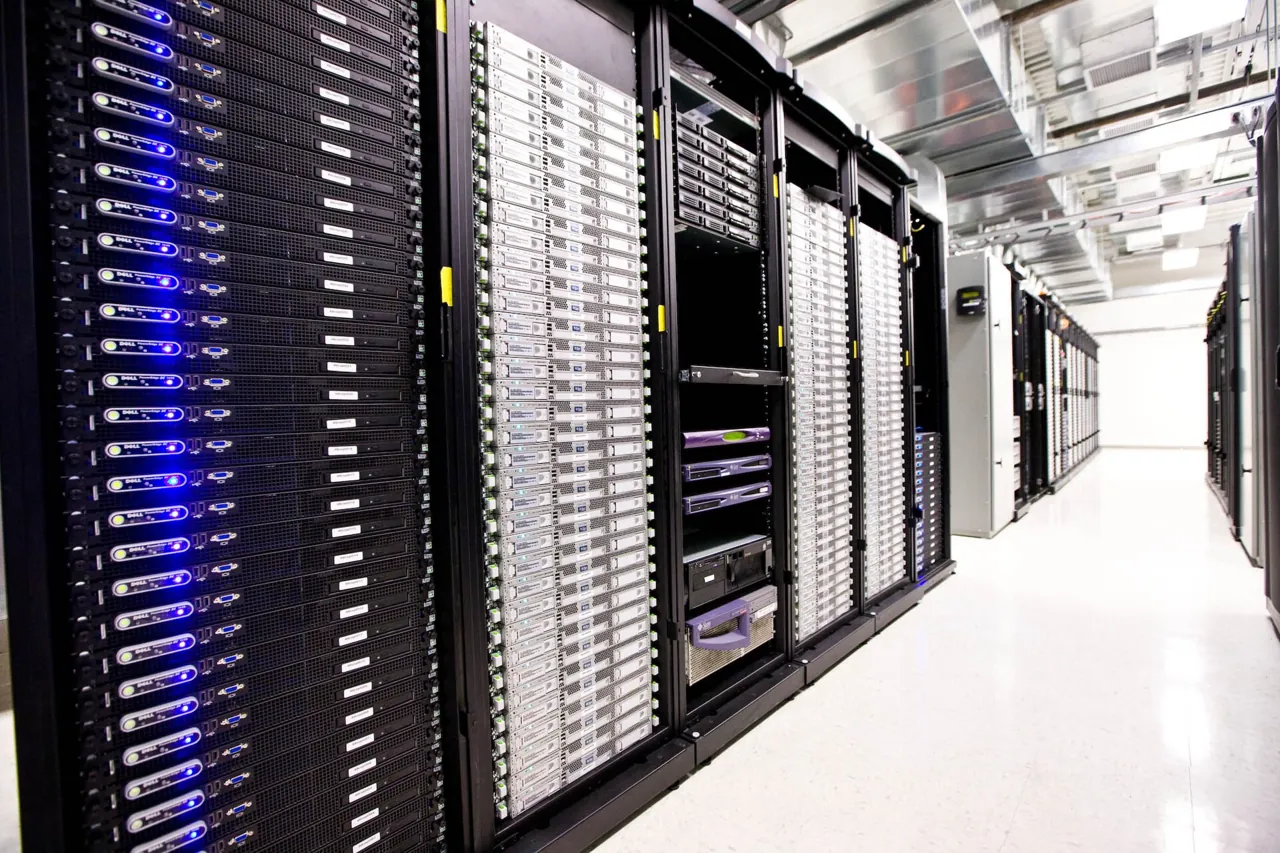


Choose bare metal around the service you need
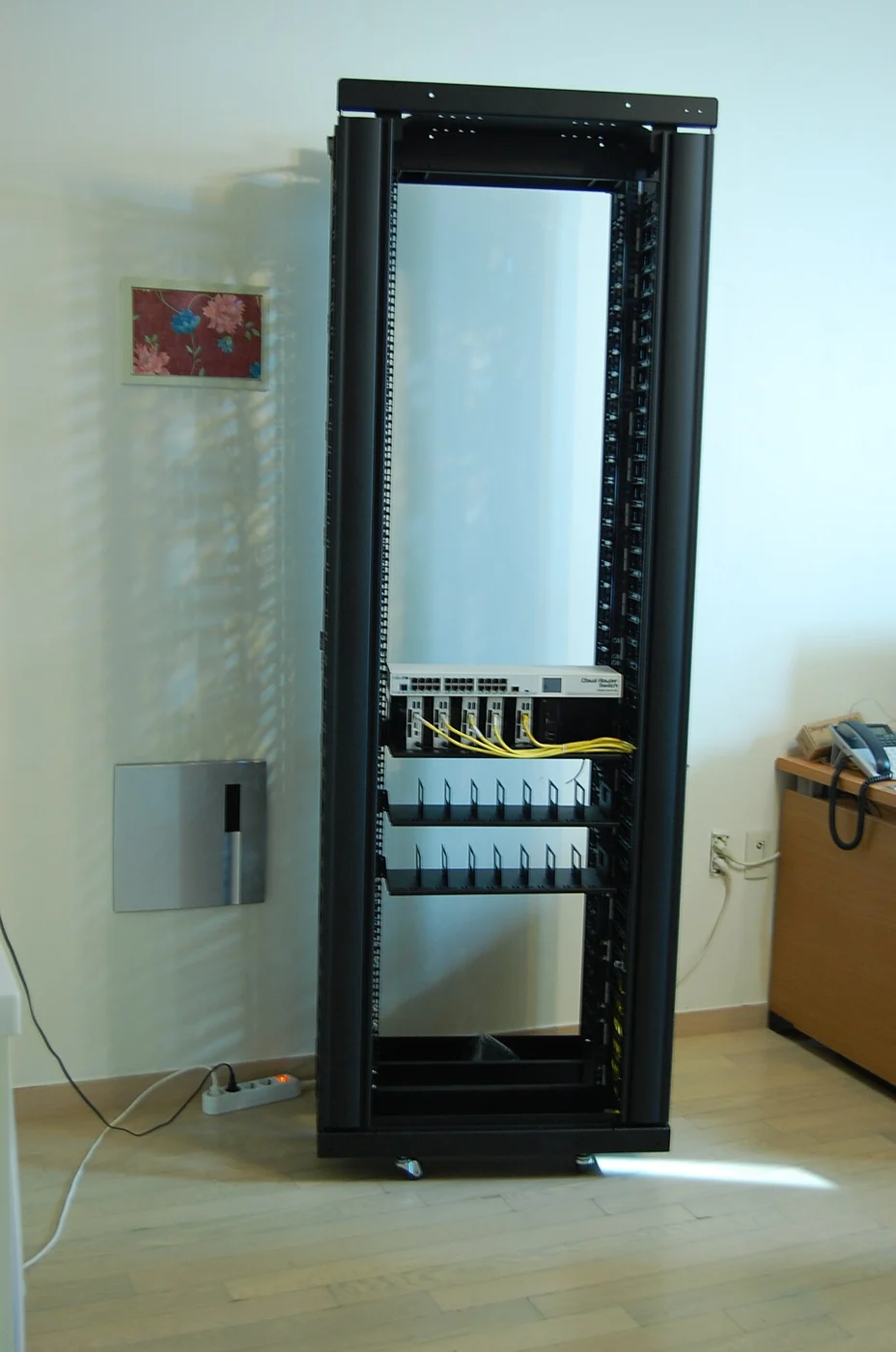
Coreo.cloud’s dedicated server catalog lets you compare machines in Spain, Germany, the Netherlands and the United States. Start by describing the service you intend to host: what it must do, how many users you expect and which data it will retain. Turn that description into separate CPU, memory, disk and connectivity requirements so that the comparison does not depend solely on the starting price or a commercial name.
Next, prepare a shortlist of configurations that meet essential requirements. Keep future needs separate and give each one a review trigger, such as dataset growth or an increase in simultaneous tasks. Check the fields in the server card and retain the identifiers of the offers you compare. Choosing against an explicit priority list makes the decision easier to explain and the machine easier to reassess when your service changes.

Compare locations using tests to your own destinations
A server’s listed location is a selection variable, but it does not by itself describe the experience of every user. If your application communicates with clients or services across several countries, first identify those destinations and their importance. A portal used by people and a process exchanging files with another system need different reference operations when choosing a hosting location for their workloads.
Arrange authorized tests from points representing that actual use. iperf3 can provide a transfer measurement between a test client and server; record the destination and conditions instead of treating a single run as a general conclusion. Include an application operation too, such as downloading a document or completing a query. Assess each result against the task it represents before choosing a catalog region for the service.